Buy siciny.eu ?
We are moving the project
siciny.eu .
Are you interested in purchasing the domain
siciny.eu ?
domain@kv-gmbh.de · 0541-91531010
Buy siciny.eu ?
Which plants are decomposers or decomposers?
Decomposers are organisms that break down dead organic matter, such as leaves, wood, and other plant material. Fungi, such as mushrooms and molds, are the primary decomposers in most ecosystems. Some bacteria and insects also play a role in decomposition. Plants, on the other hand, are not typically decomposers. They are usually producers, using sunlight to create energy through photosynthesis. **
What are decomposers?
Decomposers are organisms that break down dead organic matter, such as dead plants and animals, into simpler substances. They play a crucial role in the ecosystem by recycling nutrients back into the soil, which can then be used by plants for growth. Examples of decomposers include bacteria, fungi, and certain types of insects. Without decomposers, dead organic matter would accumulate and nutrients would not be recycled, leading to a disruption in the balance of the ecosystem. **

Similar search terms for Decomposers
Top-Angebote
Products related to Decomposers:
-
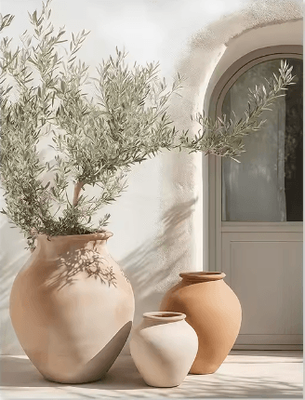
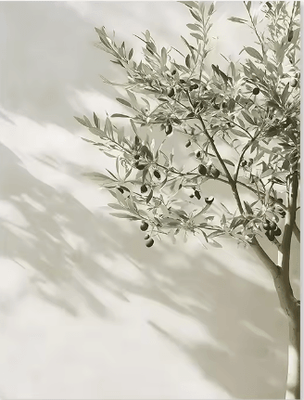
Inspire Picks Mediterranean Olive Tree Wall Art Countryside Landscape Poster For Farmhouse Decor lc028 2 50x75cm UnframedBring the warmth of sunlit landscapes into your home with this elegant Mediterranean wall art piece. Featuring a serene olive tree poster design, it captures the peaceful charm of countryside living. Perfect for homeowners who love natural, calming...59,08 $*Shipping: 0,00 $Secure redirect to the provider
-
Inspire Picks Mediterranean Olive Tree Wall Art Countryside Landscape Poster For Farmhouse Decor lc028 1 50x75cm UnframedBring the warmth of sunlit landscapes into your home with this elegant Mediterranean wall art piece. Featuring a serene olive tree poster design, it captures the peaceful charm of countryside living. Perfect for homeowners who love natural, calming...59,08 $*Shipping: 0,00 $Secure redirect to the provider
-
Inspire Picks Mediterranean Olive Tree Wall Art Countryside Landscape Poster For Farmhouse Decor lc028 2 50x70cm UnframedBring the warmth of sunlit landscapes into your home with this elegant Mediterranean wall art piece. Featuring a serene olive tree poster design, it captures the peaceful charm of countryside living. Perfect for homeowners who love natural, calming...57,33 $*Shipping: 0,00 $Secure redirect to the provider
-
Inspire Picks Mediterranean Olive Tree Wall Art Countryside Landscape Poster For Farmhouse Decor lc028 2 20x30cm UnframedBring the warmth of sunlit landscapes into your home with this elegant Mediterranean wall art piece. Featuring a serene olive tree poster design, it captures the peaceful charm of countryside living. Perfect for homeowners who love natural, calming...40,60 $*Shipping: 0,00 $Secure redirect to the provider


-
Are these the decomposers?
Yes, the organisms in the image are decomposers. Decomposers are organisms that break down dead organic matter, such as leaves, wood, and other plant material, into simpler substances. They play a crucial role in the ecosystem by recycling nutrients and returning them to the soil for use by plants. The organisms in the image appear to be fungi and bacteria, which are common decomposers in many ecosystems. **
-
What are producers, consumers, and decomposers?
Producers are organisms that create their own food through photosynthesis or chemosynthesis, such as plants and some types of bacteria. Consumers are organisms that obtain their energy by consuming other organisms, such as animals that eat plants or other animals. Decomposers are organisms that break down dead organic matter, such as fungi and bacteria, returning nutrients to the soil for producers to use again. Together, these three groups play a vital role in the flow of energy and nutrients in an ecosystem. **
-
What is a good explanation for decomposers?
Decomposers play a crucial role in ecosystems by breaking down dead organic matter, such as plants and animals, into simpler substances. This process releases nutrients back into the soil, which can then be used by plants for growth. Without decomposers, dead organic matter would accumulate, leading to a decrease in nutrient availability and hindering the recycling of essential elements in the ecosystem. Ultimately, decomposers help maintain the balance and health of ecosystems by facilitating the breakdown and recycling of organic matter. **
-
What are the tasks of the decomposers?
Decomposers play a crucial role in breaking down dead organic matter, such as dead plants and animals, into simpler substances like carbon dioxide, water, and minerals. By doing so, they help to recycle nutrients back into the ecosystem, making them available for other organisms to use. Decomposers also help to clean up and remove waste from the environment, contributing to the overall health and balance of ecosystems. **
Do decomposers exist in desert ecosystems at all?
Yes, decomposers do exist in desert ecosystems. While the extreme conditions of deserts, such as low moisture and high temperatures, can limit the abundance and diversity of decomposers, there are still organisms that play a role in breaking down organic matter. These may include bacteria, fungi, and invertebrates like termites and ants. Their activity is important for nutrient cycling and soil formation in desert environments. **
What is the energy source for consumers, producers, and decomposers?
The energy source for consumers, producers, and decomposers is the sun. Producers, such as plants, use sunlight to convert carbon dioxide and water into energy through the process of photosynthesis. Consumers, such as animals, obtain their energy by consuming producers or other consumers. Decomposers, such as bacteria and fungi, break down organic matter and release the energy stored in the matter back into the ecosystem. Ultimately, all energy in an ecosystem can be traced back to the sun. **
Top-Angebote
Products related to Decomposers:
-
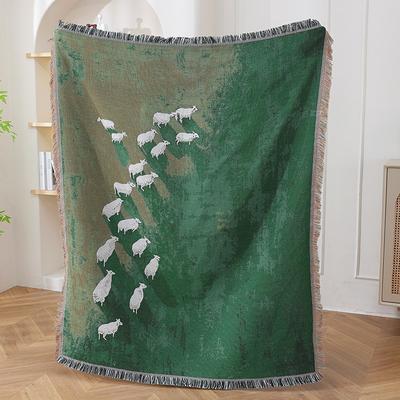
Shop Station Countryside Jacquard Woven Throw Blanket With Sheep Meadow Design & Fringed Farmhouse Decor Countryside Jacquard Woven Throw Blanket With Sheep Meadow Design & Fringed Farmhouse DecorExperience the warmth of the countryside without leaving home. This farmhouse throw blanket combines cozy comfort with charming pastoral artwork, making it perfect for anyone who loves cottageinspired dcor. Featuring a beautifully woven sheep meadow...89,97 $*Shipping: 0,00 $Secure redirect to the provider
-
Ruiz Bruno Tempranillo 'Pampaneo Natural' Bruno Ruiz - Esencia Rural 2025The Tempranillo “Pampaneo Natural” from Esencia Rural is a concentrate of Mancha, virgin and wild, in its purest form. One of the two tempranillos from Bodega Bruno Ruiz, which Julian has been committed to producing for a long time, driven by a peasant virtuosity that refuses to compromise with the industry, which standardizes wine. A feminine version that wears a skirt made of vines and clusters, of vine leaves and stems, with fire-red shoes: stop her if you see her around, your encounter will be eccentric and whirlwind-like, impossible to forget! The “Pampaneo Natural” is a Tempranillo that captures the palate and disrupts the mind, animated by a burning and sunny warmth that speaks of untamed and infinite expanses, of vines that pop up, between one windmill and another, of black garlic crops. Welcome to the Ruiz home! The vineyards that cradle the Tempranillo grapes are young, compared to the centennial bush vines, they are 25 years old and have all the energetic and powerful vigor that comes with it. A thorough knowledge of the plants, maternal sensitivity and manual selection of the best bunches from the oldest plots, these are the constant cares that Julian Ruiz has for his vineyard. This “Pampaneo Natural” from Bruno Ruiz - Esencia Rural is a Tempranillo as it should be, without corrections, without make-up, without flattering roundness; it is straightforward, it states things as they are, it has a penchant for protagonism. It ferments spontaneously in the company of its yeasts and skins in steel containers for 4 months, then it is transferred into amphorae where it rests in the light quiet of terracotta before being bottled, without undergoing any clarification or filtration and without being masked by any addition of sulfur. The result is a sanguine and winey juice, with rustic and biting tannins, with an acid-salty vein that supports the drinking progression. Aromas of overripe red fruit, black olives, and wet earth jump in the glass. A hymn to warm and enveloping Mediterranean-ness!16,00 £*Shipping: 48,00 £Secure redirect to the provider
-
Inspire Picks Mediterranean Olive Tree Wall Art Countryside Landscape Poster For Farmhouse Decor lc028 2 50x75cm UnframedBring the warmth of sunlit landscapes into your home with this elegant Mediterranean wall art piece. Featuring a serene olive tree poster design, it captures the peaceful charm of countryside living. Perfect for homeowners who love natural, calming...59,08 $*Shipping: 0,00 $Secure redirect to the provider
-
Inspire Picks Mediterranean Olive Tree Wall Art Countryside Landscape Poster For Farmhouse Decor lc028 1 50x75cm UnframedBring the warmth of sunlit landscapes into your home with this elegant Mediterranean wall art piece. Featuring a serene olive tree poster design, it captures the peaceful charm of countryside living. Perfect for homeowners who love natural, calming...59,08 $*Shipping: 0,00 $Secure redirect to the provider
-
Which plants are decomposers or decomposers?
Decomposers are organisms that break down dead organic matter, such as leaves, wood, and other plant material. Fungi, such as mushrooms and molds, are the primary decomposers in most ecosystems. Some bacteria and insects also play a role in decomposition. Plants, on the other hand, are not typically decomposers. They are usually producers, using sunlight to create energy through photosynthesis. **
-
What are decomposers?
Decomposers are organisms that break down dead organic matter, such as dead plants and animals, into simpler substances. They play a crucial role in the ecosystem by recycling nutrients back into the soil, which can then be used by plants for growth. Examples of decomposers include bacteria, fungi, and certain types of insects. Without decomposers, dead organic matter would accumulate and nutrients would not be recycled, leading to a disruption in the balance of the ecosystem. **
-
Are these the decomposers?
Yes, the organisms in the image are decomposers. Decomposers are organisms that break down dead organic matter, such as leaves, wood, and other plant material, into simpler substances. They play a crucial role in the ecosystem by recycling nutrients and returning them to the soil for use by plants. The organisms in the image appear to be fungi and bacteria, which are common decomposers in many ecosystems. **
-
What are producers, consumers, and decomposers?
Producers are organisms that create their own food through photosynthesis or chemosynthesis, such as plants and some types of bacteria. Consumers are organisms that obtain their energy by consuming other organisms, such as animals that eat plants or other animals. Decomposers are organisms that break down dead organic matter, such as fungi and bacteria, returning nutrients to the soil for producers to use again. Together, these three groups play a vital role in the flow of energy and nutrients in an ecosystem. **
Similar search terms for Decomposers
-
Inspire Picks Mediterranean Olive Tree Wall Art Countryside Landscape Poster For Farmhouse Decor lc028 2 50x70cm UnframedBring the warmth of sunlit landscapes into your home with this elegant Mediterranean wall art piece. Featuring a serene olive tree poster design, it captures the peaceful charm of countryside living. Perfect for homeowners who love natural, calming...57,33 $*Shipping: 0,00 $Secure redirect to the provider
-
Inspire Picks Mediterranean Olive Tree Wall Art Countryside Landscape Poster For Farmhouse Decor lc028 2 20x30cm UnframedBring the warmth of sunlit landscapes into your home with this elegant Mediterranean wall art piece. Featuring a serene olive tree poster design, it captures the peaceful charm of countryside living. Perfect for homeowners who love natural, calming...40,60 $*Shipping: 0,00 $Secure redirect to the provider
-
Inspire Picks Mediterranean Olive Tree Wall Art Countryside Landscape Poster For Farmhouse Decor lc028 1 20x30cm UnframedBring the warmth of sunlit landscapes into your home with this elegant Mediterranean wall art piece. Featuring a serene olive tree poster design, it captures the peaceful charm of countryside living. Perfect for homeowners who love natural, calming...40,60 $*Shipping: 0,00 $Secure redirect to the provider
-
Inspire Picks Mediterranean Olive Tree Wall Art Countryside Landscape Poster For Farmhouse Decor lc028 1 50x70cm UnframedBring the warmth of sunlit landscapes into your home with this elegant Mediterranean wall art piece. Featuring a serene olive tree poster design, it captures the peaceful charm of countryside living. Perfect for homeowners who love natural, calming...57,33 $*Shipping: 0,00 $Secure redirect to the provider
-
What is a good explanation for decomposers?
Decomposers play a crucial role in ecosystems by breaking down dead organic matter, such as plants and animals, into simpler substances. This process releases nutrients back into the soil, which can then be used by plants for growth. Without decomposers, dead organic matter would accumulate, leading to a decrease in nutrient availability and hindering the recycling of essential elements in the ecosystem. Ultimately, decomposers help maintain the balance and health of ecosystems by facilitating the breakdown and recycling of organic matter. **
-
What are the tasks of the decomposers?
Decomposers play a crucial role in breaking down dead organic matter, such as dead plants and animals, into simpler substances like carbon dioxide, water, and minerals. By doing so, they help to recycle nutrients back into the ecosystem, making them available for other organisms to use. Decomposers also help to clean up and remove waste from the environment, contributing to the overall health and balance of ecosystems. **
-
Do decomposers exist in desert ecosystems at all?
Yes, decomposers do exist in desert ecosystems. While the extreme conditions of deserts, such as low moisture and high temperatures, can limit the abundance and diversity of decomposers, there are still organisms that play a role in breaking down organic matter. These may include bacteria, fungi, and invertebrates like termites and ants. Their activity is important for nutrient cycling and soil formation in desert environments. **
-
What is the energy source for consumers, producers, and decomposers?
The energy source for consumers, producers, and decomposers is the sun. Producers, such as plants, use sunlight to convert carbon dioxide and water into energy through the process of photosynthesis. Consumers, such as animals, obtain their energy by consuming producers or other consumers. Decomposers, such as bacteria and fungi, break down organic matter and release the energy stored in the matter back into the ecosystem. Ultimately, all energy in an ecosystem can be traced back to the sun. **
* All prices are inclusive of VAT and, if applicable, plus shipping costs. The offer information is based on the details provided by the respective shop and is updated through automated processes. Real-time updates do not occur, so deviations can occur in individual cases. ** Note: Parts of this content were created by AI.