Buy siciny.eu ?
We are moving the project
siciny.eu .
Are you interested in purchasing the domain
siciny.eu ?
domain@kv-gmbh.de · 0541-91531010
Buy siciny.eu ?
Is Simple Present and Present Simple the same thing?
Yes, "Simple Present" and "Present Simple" are the same thing. They both refer to the tense used to describe actions that happen regularly, habits, general truths, and scheduled events in the present time. Both terms can be used interchangeably to describe the basic present tense in English grammar. **
Can you help me form or rearrange simple sentences in the Simple Present and Simple Past?
Yes, I can help you form or rearrange simple sentences in the Simple Present and Simple Past. For example, in the Simple Present, you can say "I eat breakfast every morning" or "She goes to the gym after work." In the Simple Past, you can say "I visited my friend yesterday" or "They watched a movie last night." If you have specific sentences you'd like help with, feel free to provide them and I can assist you in forming or rearranging them. **

Similar search terms for Simple
Top-Angebote
Products related to Simple:
-
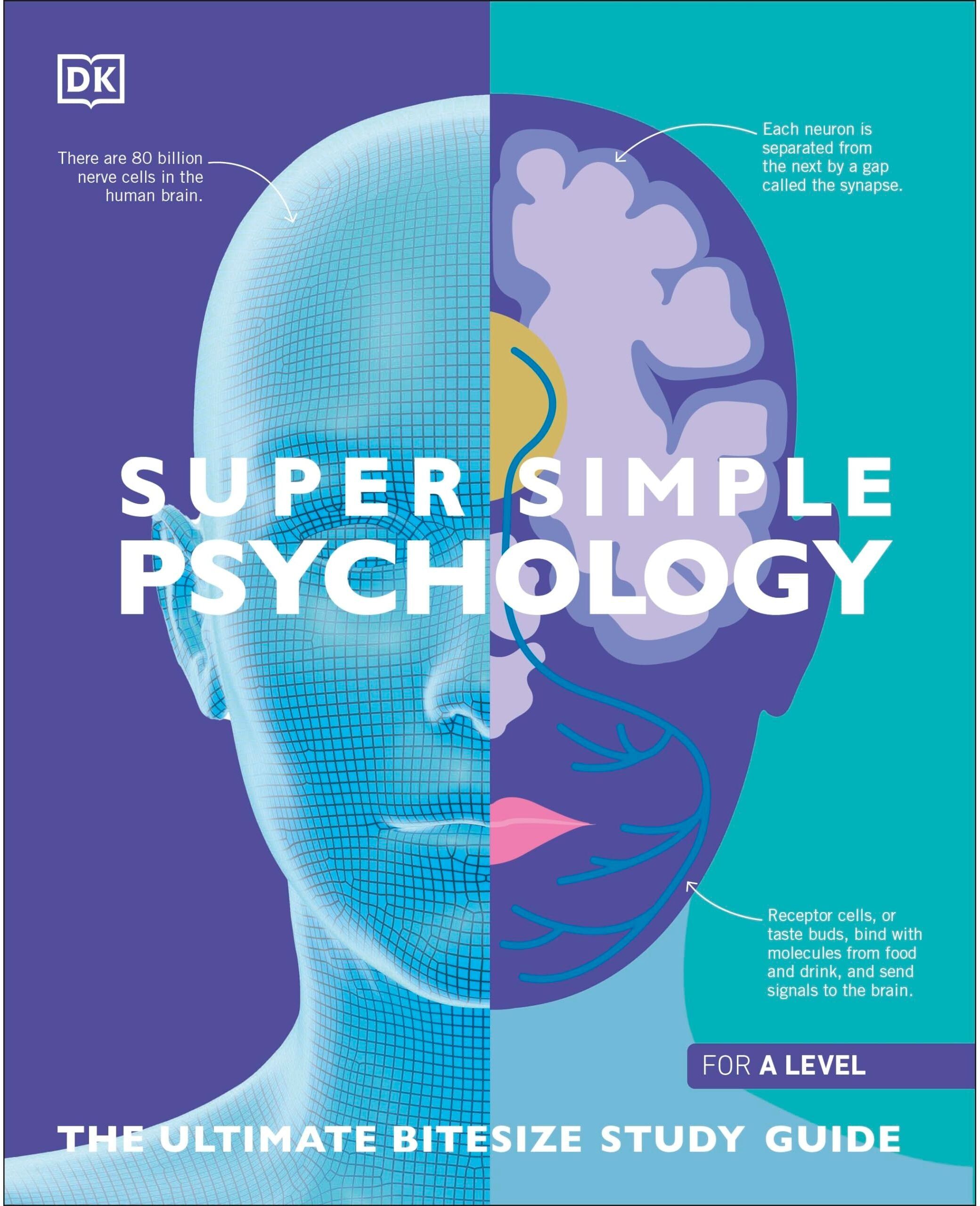
Super Simple Psychology: The Ultimate Bitesize Study Guide (DK Super Simple)Expand your Psychology knowledge with this easy-to-use study guide which has everything A Level students need to get to grips with this fascinating subject. Super Simple Psychology breaks down complex information into manageable, bitesize chunks, and it covers all the key topics, ranging from brain anatomy and memory to phobias and types of therapy. With clear and straightforward coverage of all the core Psychology topics, this is the ideal companion for students looking for concise information to support them with classwork, homework, and exams. This psychology study guide offers: - Material that supports A Level and International Baccalaureate curriculum, complementing coursework and exam revision. - An easy-to-use layout, with one topic per page and key facts for every topic. - Visual explanations that help tackle complex topics and make learning straightforward. Super Simple Psychology contains all the essential topics for A Level Psychology in one handy study guide. Each page covers one topic and is designed and illustrated to make the facts easy to understand and remember and to bring the subject to life. Information panels explain and analyse key theories and studies with the help of simple graphics and a useful "Key facts" box on every page provides a summary to help with revision.6,79 £*Shipping: 2,99 £Secure redirect to the provider
-
eufy Security Simple ChimeMade for eufy Video Doorbells: Works seamlessly with eufy video doorbells to deliver reliable ringing and notifications throughout your home so you never miss a vistor. For a detailed compatibility list, see the FAQ. Choose from 10 Chimes: 10 pre-installed chimes let you find the sound that suits you and your family. Stable Dual-Band Connection: Enjoy faster speeds, reduced network congestion, and smooth performance at all times with advanced 2.4 GHz and 5 GHz dual-band Wi-Fi connectivity. Quick and Easy Setup: Supports auto-discovery and effortless network integration with Bluetooth auto-pairing, enabling you to set it up within minutes. Loud and Reliable Alerts: Adjust the volume of your chime to up to 80 dB for powerful and dependable alerts so you hear visitor notifications clearly even from the second floor or across larger spaces.29,99 £*Shipping: 0,00 £Secure redirect to the provider
-
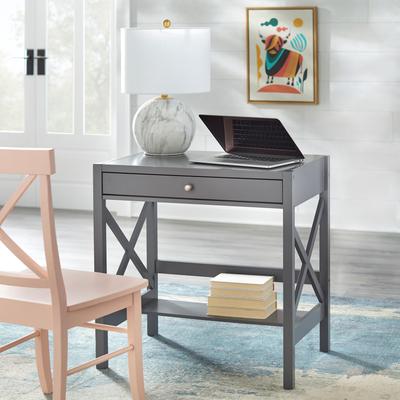
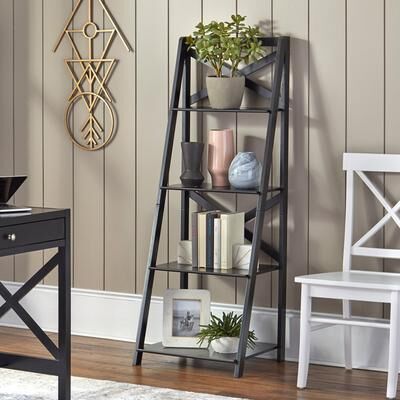
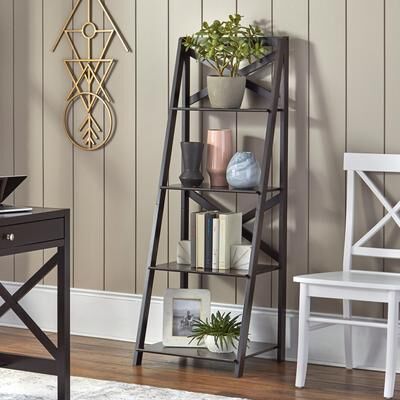
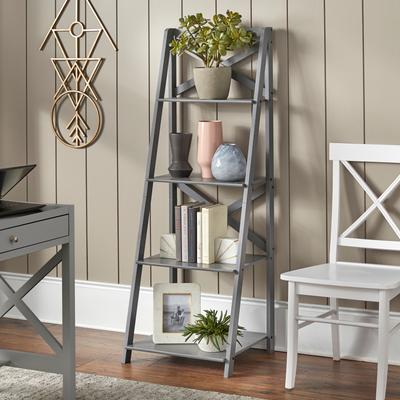
Simple Living Farmhouse 4-tier ShelfDisplay books, decor, or plants on this stylish tiered shelf from Simple Living. The engineered wood frame features x-shaped supports and four open shelves. Choose from five versatile finishes to complement your existing decor.89,76 $*Shipping: 0,00 $Secure redirect to the provider

-
'In the countryside or in the village?'
The choice between living in the countryside or in a village depends on personal preferences and lifestyle. Living in the countryside offers a peaceful and serene environment with more space and nature, while village life may provide a sense of community and convenience with amenities nearby. Both options have their own charm and appeal, so it ultimately comes down to individual priorities and what kind of lifestyle one desires. **
-
What is the difference between Simple Past and Simple Present?
The main difference between Simple Past and Simple Present is the timeframe they refer to. Simple Present is used to talk about actions that are happening now or regularly occur, while Simple Past is used to talk about actions that were completed in the past. In Simple Present, the verb is in its base form or with an -s ending for third person singular subjects, while in Simple Past, regular verbs end in -ed and irregular verbs have specific past tense forms. **
-
How do I differentiate between Simple Past and Simple Present?
To differentiate between Simple Past and Simple Present, you need to look at the timing of the action. Simple Past is used to talk about actions that happened in the past and are completed. It is formed by adding -ed to regular verbs or using the past form of irregular verbs. On the other hand, Simple Present is used to talk about actions that are happening now, habitual actions, general truths, or scheduled future events. It is formed by using the base form of the verb. By paying attention to the timing of the action and the form of the verb, you can easily differentiate between Simple Past and Simple Present. **
-
How do I distinguish between Simple Past and Simple Present?
The Simple Past tense is used to talk about actions that were completed in the past, while the Simple Present tense is used to talk about actions that are happening in the present. To distinguish between the two, look for keywords such as "yesterday," "last week," or specific times that indicate the action happened in the past, which would indicate the use of Simple Past. On the other hand, if the sentence includes words like "now," "currently," or general time markers, it is likely using Simple Present. Additionally, pay attention to the verb forms - Simple Past verbs often end in "-ed" or have irregular forms, while Simple Present verbs typically end in "-s" in the third person singular form. **
What is the difference again between Simple Past and Simple Present?
The simple present tense is used to describe actions that are happening right now or regularly occurring actions. For example, "I eat breakfast every morning." On the other hand, the simple past tense is used to describe actions that have already happened in the past. For example, "I ate breakfast yesterday." In summary, the simple present tense is used for present actions or habits, while the simple past tense is used for actions that have already occurred in the past. **
What are simple movies?
Simple movies are films that focus on a straightforward and uncomplicated storyline, often with minimal subplots and character development. These movies typically have a clear and easy-to-follow narrative, and they may prioritize entertainment and escapism over complex themes or deep emotional resonance. Simple movies often appeal to a wide audience and can provide a lighthearted and enjoyable viewing experience. They may also be characterized by their reliance on familiar tropes and conventions, making them easily accessible to casual moviegoers. **
Top-Angebote
Products related to Simple:
-
Simple Living Farmhouse 4-tier ShelfDisplay books, decor, or plants on this stylish tiered shelf from Simple Living. The engineered wood frame features x-shaped supports and four open shelves. Choose from five versatile finishes to complement your existing decor.101,84 $*Shipping: 0,00 $Secure redirect to the provider
-
Super Simple Psychology: The Ultimate Bitesize Study Guide (DK Super Simple)Expand your Psychology knowledge with this easy-to-use study guide which has everything A Level students need to get to grips with this fascinating subject. Super Simple Psychology breaks down complex information into manageable, bitesize chunks, and it covers all the key topics, ranging from brain anatomy and memory to phobias and types of therapy. With clear and straightforward coverage of all the core Psychology topics, this is the ideal companion for students looking for concise information to support them with classwork, homework, and exams. This psychology study guide offers: - Material that supports A Level and International Baccalaureate curriculum, complementing coursework and exam revision. - An easy-to-use layout, with one topic per page and key facts for every topic. - Visual explanations that help tackle complex topics and make learning straightforward. Super Simple Psychology contains all the essential topics for A Level Psychology in one handy study guide. Each page covers one topic and is designed and illustrated to make the facts easy to understand and remember and to bring the subject to life. Information panels explain and analyse key theories and studies with the help of simple graphics and a useful "Key facts" box on every page provides a summary to help with revision.6,79 £*Shipping: 2,99 £Secure redirect to the provider
-
eufy Security Simple ChimeMade for eufy Video Doorbells: Works seamlessly with eufy video doorbells to deliver reliable ringing and notifications throughout your home so you never miss a vistor. For a detailed compatibility list, see the FAQ. Choose from 10 Chimes: 10 pre-installed chimes let you find the sound that suits you and your family. Stable Dual-Band Connection: Enjoy faster speeds, reduced network congestion, and smooth performance at all times with advanced 2.4 GHz and 5 GHz dual-band Wi-Fi connectivity. Quick and Easy Setup: Supports auto-discovery and effortless network integration with Bluetooth auto-pairing, enabling you to set it up within minutes. Loud and Reliable Alerts: Adjust the volume of your chime to up to 80 dB for powerful and dependable alerts so you hear visitor notifications clearly even from the second floor or across larger spaces.29,99 £*Shipping: 0,00 £Secure redirect to the provider
-
Is Simple Present and Present Simple the same thing?
Yes, "Simple Present" and "Present Simple" are the same thing. They both refer to the tense used to describe actions that happen regularly, habits, general truths, and scheduled events in the present time. Both terms can be used interchangeably to describe the basic present tense in English grammar. **
-
Can you help me form or rearrange simple sentences in the Simple Present and Simple Past?
Yes, I can help you form or rearrange simple sentences in the Simple Present and Simple Past. For example, in the Simple Present, you can say "I eat breakfast every morning" or "She goes to the gym after work." In the Simple Past, you can say "I visited my friend yesterday" or "They watched a movie last night." If you have specific sentences you'd like help with, feel free to provide them and I can assist you in forming or rearranging them. **
-
'In the countryside or in the village?'
The choice between living in the countryside or in a village depends on personal preferences and lifestyle. Living in the countryside offers a peaceful and serene environment with more space and nature, while village life may provide a sense of community and convenience with amenities nearby. Both options have their own charm and appeal, so it ultimately comes down to individual priorities and what kind of lifestyle one desires. **
-
What is the difference between Simple Past and Simple Present?
The main difference between Simple Past and Simple Present is the timeframe they refer to. Simple Present is used to talk about actions that are happening now or regularly occur, while Simple Past is used to talk about actions that were completed in the past. In Simple Present, the verb is in its base form or with an -s ending for third person singular subjects, while in Simple Past, regular verbs end in -ed and irregular verbs have specific past tense forms. **
Similar search terms for Simple
-
Simple Living Farmhouse 4-tier ShelfDisplay books, decor, or plants on this stylish tiered shelf from Simple Living. The engineered wood frame features x-shaped supports and four open shelves. Choose from five versatile finishes to complement your existing decor.89,76 $*Shipping: 0,00 $Secure redirect to the provider
-
Simple Living Farmhouse 4-tier ShelfDisplay books, decor, or plants on this stylish tiered shelf from Simple Living. The engineered wood frame features x-shaped supports and four open shelves. Choose from five versatile finishes to complement your existing decor.79,11 $*Shipping: 0,00 $Secure redirect to the provider
-
Simple Living Farmhouse 4-tier ShelfDisplay books, decor, or plants on this stylish tiered shelf from Simple Living. The engineered wood frame features x-shaped supports and four open shelves. Choose from five versatile finishes to complement your existing decor.83,15 $*Shipping: 0,00 $Secure redirect to the provider
-
How do I differentiate between Simple Past and Simple Present?
To differentiate between Simple Past and Simple Present, you need to look at the timing of the action. Simple Past is used to talk about actions that happened in the past and are completed. It is formed by adding -ed to regular verbs or using the past form of irregular verbs. On the other hand, Simple Present is used to talk about actions that are happening now, habitual actions, general truths, or scheduled future events. It is formed by using the base form of the verb. By paying attention to the timing of the action and the form of the verb, you can easily differentiate between Simple Past and Simple Present. **
-
How do I distinguish between Simple Past and Simple Present?
The Simple Past tense is used to talk about actions that were completed in the past, while the Simple Present tense is used to talk about actions that are happening in the present. To distinguish between the two, look for keywords such as "yesterday," "last week," or specific times that indicate the action happened in the past, which would indicate the use of Simple Past. On the other hand, if the sentence includes words like "now," "currently," or general time markers, it is likely using Simple Present. Additionally, pay attention to the verb forms - Simple Past verbs often end in "-ed" or have irregular forms, while Simple Present verbs typically end in "-s" in the third person singular form. **
-
What is the difference again between Simple Past and Simple Present?
The simple present tense is used to describe actions that are happening right now or regularly occurring actions. For example, "I eat breakfast every morning." On the other hand, the simple past tense is used to describe actions that have already happened in the past. For example, "I ate breakfast yesterday." In summary, the simple present tense is used for present actions or habits, while the simple past tense is used for actions that have already occurred in the past. **
-
What are simple movies?
Simple movies are films that focus on a straightforward and uncomplicated storyline, often with minimal subplots and character development. These movies typically have a clear and easy-to-follow narrative, and they may prioritize entertainment and escapism over complex themes or deep emotional resonance. Simple movies often appeal to a wide audience and can provide a lighthearted and enjoyable viewing experience. They may also be characterized by their reliance on familiar tropes and conventions, making them easily accessible to casual moviegoers. **
* All prices are inclusive of VAT and, if applicable, plus shipping costs. The offer information is based on the details provided by the respective shop and is updated through automated processes. Real-time updates do not occur, so deviations can occur in individual cases. ** Note: Parts of this content were created by AI.