Buy siciny.eu ?
We are moving the project
siciny.eu .
Are you interested in purchasing the domain
siciny.eu ?
domain@kv-gmbh.de · 0541-91531010
Buy siciny.eu ?
How many dipeptides are formed from L-alanine and L-glycine?
When L-alanine and L-glycine combine, they form one dipeptide. This is because a dipeptide is composed of two amino acids linked together by a peptide bond. In this case, L-alanine and L-glycine combine to form the dipeptide Ala-Gly. **
Why doesn't glycine have D- and L-forms?
Glycine does not have D- and L-forms because it is the simplest amino acid and has a hydrogen atom as its side chain. Unlike other amino acids that have a chiral carbon atom in their side chains, glycine's side chain is not chiral, meaning it does not have a mirror image form. As a result, glycine does not have D- and L-forms like other amino acids. **

Similar search terms for L-glycine
Top-Angebote
Products related to L-glycine:
-
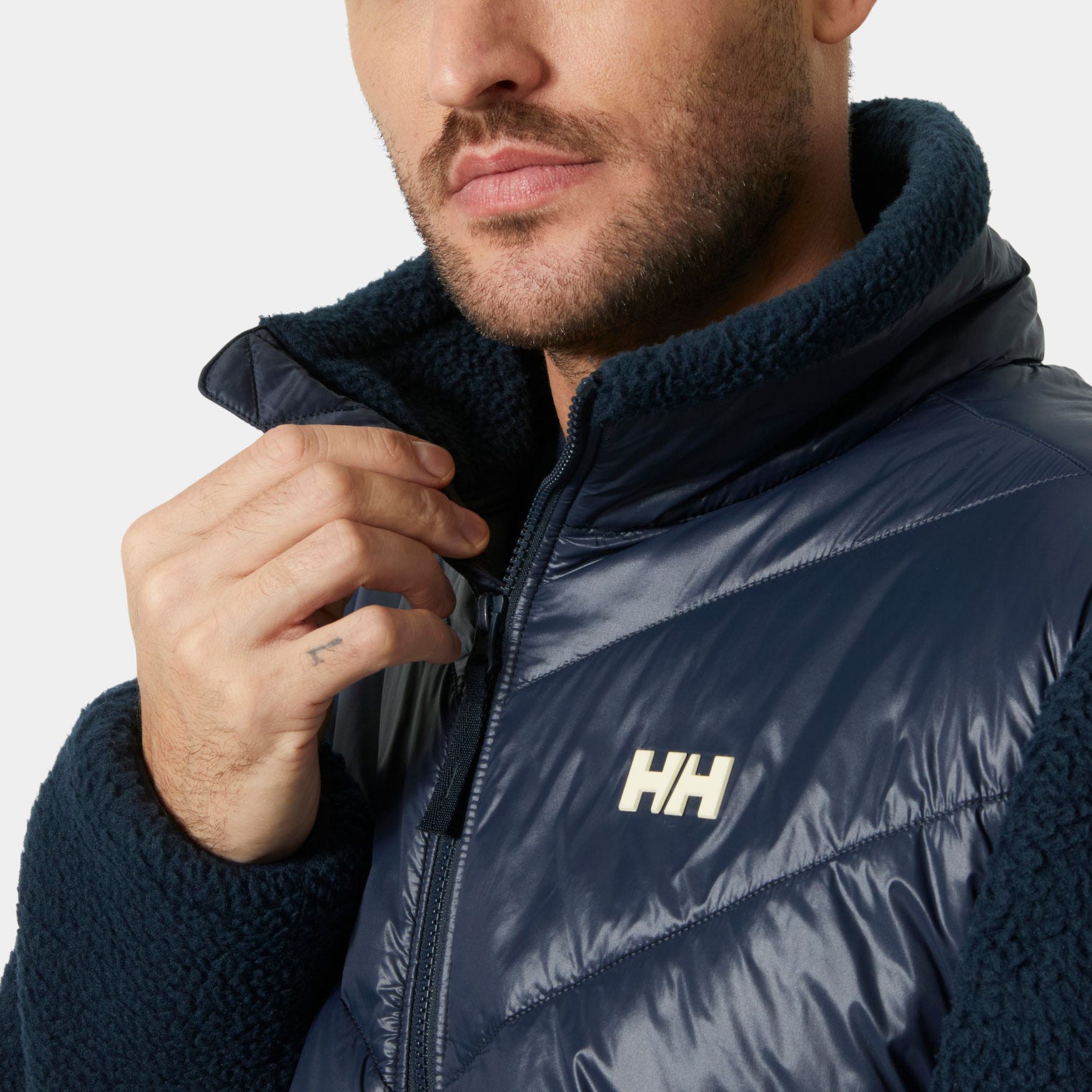
Helly Hansen Men's Village Down Jacket - Blue - LWe designed our Men's Village Down Jacket to provide warmth whether you're commuting, enjoying outdoor adventures in the city, or heading to the slopes for the weekend. Inspired by life in and around ski resorts, the jacket has 600 fill power down insulation, offering lightweight warmth without bulk. It also has practical elements like zippered hand pockets, plus elastic cuffs and a detachable and adjustable hood for adaptability.360,00 £*Shipping: 0,00 £Secure redirect to the provider
-
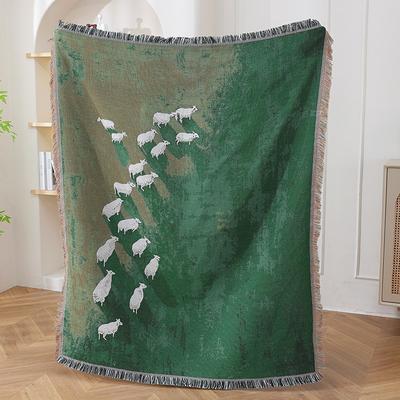
Shop Station Countryside Jacquard Woven Throw Blanket With Sheep Meadow Design & Fringed Farmhouse Decor Countryside Jacquard Woven Throw Blanket With Sheep Meadow Design & Fringed Farmhouse DecorExperience the warmth of the countryside without leaving home. This farmhouse throw blanket combines cozy comfort with charming pastoral artwork, making it perfect for anyone who loves cottageinspired dcor. Featuring a beautifully woven sheep meadow...89,97 $*Shipping: 0,00 $Secure redirect to the provider



-
Does glycine affect the heart?
Yes, glycine can affect the heart. It is an amino acid that plays a role in the synthesis of proteins and is also involved in the production of collagen, which is important for the structure and function of the heart. Additionally, glycine has been studied for its potential benefits in protecting the heart from damage caused by various factors such as oxidative stress and inflammation. However, more research is needed to fully understand the impact of glycine on heart health. **
-
Why is glycine not significantly polar?
Glycine is not significantly polar because it is a small, non-polar amino acid with a hydrogen atom as its side chain. This side chain does not contain any charged or highly electronegative atoms like oxygen or nitrogen that would create a polar interaction. As a result, glycine does not readily participate in hydrogen bonding or other polar interactions, making it a non-polar molecule overall. **
-
What is the electrical conductivity of glycine?
Glycine is a non-conductive amino acid, meaning it does not conduct electricity in its pure form. This is because it does not contain any free ions or electrons that can carry an electric current. However, when glycine is dissolved in water, it can form ions and become a conductor of electricity. This is due to the dissociation of glycine molecules into positively charged ions (cations) and negatively charged ions (anions) in the solution, allowing it to conduct electricity. **
-
What is the reaction equation between glycine and lysine?
The reaction equation between glycine and lysine involves the formation of a peptide bond. This reaction is a condensation reaction where the amino group of glycine (-NH2) reacts with the carboxyl group of lysine (-COOH) to form a peptide bond (-CONH-). The reaction results in the formation of a dipeptide composed of glycine and lysine linked together by the peptide bond. The general reaction equation for this process is: Glycine + Lysine → Glycine-Lysine + H2O. **


How to dose L-Arginine and L-Citrulline?
The dosing of L-Arginine and L-Citrulline can vary depending on individual needs and health conditions. However, a common dosing recommendation for L-Arginine is around 2-3 grams per day, while L-Citrulline is typically dosed at 3-6 grams per day. It is important to start with a lower dose and gradually increase it while monitoring for any potential side effects. Consulting with a healthcare provider or a nutritionist is recommended to determine the appropriate dosage for your specific needs. **
Why is glycine soluble in water, but phenylalanine is not?
Glycine is soluble in water because it is a small, polar molecule with a high degree of solvation due to its ability to form hydrogen bonds with water molecules. On the other hand, phenylalanine is not soluble in water because it is a larger, nonpolar molecule with a hydrophobic phenyl group that does not interact well with water molecules. The lack of polar groups in phenylalanine prevents it from forming strong interactions with water molecules, leading to its insolubility in water. **
Top-Angebote
Products related to L-glycine:
-
Helly Hansen Men's Village Puffy Vest - Brown - LWhether you’re looking for a lightweight layer or a versatile piece that’s great for traveling, our Men's Village Puffy Vest offers warmth for colder days in the city or at the resort. We crafted it with 600 fill power down to provide insulation while remaining lightweight. Inspired by our ski apparel expertise, this vest features a full front zipper with a double storm flap for weather resistance, an adjustable bottom hem for a customized fit, and zippered hand pockets for practical storage.210,00 £*Shipping: 0,00 £Secure redirect to the provider
-
Helly Hansen Men's Village Hybrid Jacket - Blue - LOur Men's Village Hybrid Jacket takes inspiration from our expertise in ski apparel to cater to the off-the-slope needs of skiers and winter enthusiasts. This hybrid jacket combines printed pile and quilted fabrics with lightweight insulation, providing excellent warmth without the bulk. Thoughtful details like practical pockets, a full front zipper, and snap button cuffs ensure you look good and feel comfortable in colder temperatures.180,00 £*Shipping: 0,00 £Secure redirect to the provider
-
Helly Hansen Men's Village Down Jacket - Blue - LWe designed our Men's Village Down Jacket to provide warmth whether you're commuting, enjoying outdoor adventures in the city, or heading to the slopes for the weekend. Inspired by life in and around ski resorts, the jacket has 600 fill power down insulation, offering lightweight warmth without bulk. It also has practical elements like zippered hand pockets, plus elastic cuffs and a detachable and adjustable hood for adaptability.360,00 £*Shipping: 0,00 £Secure redirect to the provider
-
How many dipeptides are formed from L-alanine and L-glycine?
When L-alanine and L-glycine combine, they form one dipeptide. This is because a dipeptide is composed of two amino acids linked together by a peptide bond. In this case, L-alanine and L-glycine combine to form the dipeptide Ala-Gly. **
-
Why doesn't glycine have D- and L-forms?
Glycine does not have D- and L-forms because it is the simplest amino acid and has a hydrogen atom as its side chain. Unlike other amino acids that have a chiral carbon atom in their side chains, glycine's side chain is not chiral, meaning it does not have a mirror image form. As a result, glycine does not have D- and L-forms like other amino acids. **
-
Does glycine affect the heart?
Yes, glycine can affect the heart. It is an amino acid that plays a role in the synthesis of proteins and is also involved in the production of collagen, which is important for the structure and function of the heart. Additionally, glycine has been studied for its potential benefits in protecting the heart from damage caused by various factors such as oxidative stress and inflammation. However, more research is needed to fully understand the impact of glycine on heart health. **
-
Why is glycine not significantly polar?
Glycine is not significantly polar because it is a small, non-polar amino acid with a hydrogen atom as its side chain. This side chain does not contain any charged or highly electronegative atoms like oxygen or nitrogen that would create a polar interaction. As a result, glycine does not readily participate in hydrogen bonding or other polar interactions, making it a non-polar molecule overall. **
Similar search terms for L-glycine
-
Shop Station Countryside Jacquard Woven Throw Blanket With Sheep Meadow Design & Fringed Farmhouse Decor Countryside Jacquard Woven Throw Blanket With Sheep Meadow Design & Fringed Farmhouse DecorExperience the warmth of the countryside without leaving home. This farmhouse throw blanket combines cozy comfort with charming pastoral artwork, making it perfect for anyone who loves cottageinspired dcor. Featuring a beautifully woven sheep meadow...89,97 $*Shipping: 0,00 $Secure redirect to the provider
-
Helly Hansen Men's Village Down Jacket - Brown - LWe designed our Men's Village Down Jacket to provide warmth whether you're commuting, enjoying outdoor adventures in the city, or heading to the slopes for the weekend. Inspired by life in and around ski resorts, the jacket has 600 fill power down insulation, offering lightweight warmth without bulk. It also has practical elements like zippered hand pockets, plus elastic cuffs and a detachable and adjustable hood for adaptability.360,00 £*Shipping: 0,00 £Secure redirect to the provider
-
What is the electrical conductivity of glycine?
Glycine is a non-conductive amino acid, meaning it does not conduct electricity in its pure form. This is because it does not contain any free ions or electrons that can carry an electric current. However, when glycine is dissolved in water, it can form ions and become a conductor of electricity. This is due to the dissociation of glycine molecules into positively charged ions (cations) and negatively charged ions (anions) in the solution, allowing it to conduct electricity. **
-
What is the reaction equation between glycine and lysine?
The reaction equation between glycine and lysine involves the formation of a peptide bond. This reaction is a condensation reaction where the amino group of glycine (-NH2) reacts with the carboxyl group of lysine (-COOH) to form a peptide bond (-CONH-). The reaction results in the formation of a dipeptide composed of glycine and lysine linked together by the peptide bond. The general reaction equation for this process is: Glycine + Lysine → Glycine-Lysine + H2O. **
-
How to dose L-Arginine and L-Citrulline?
The dosing of L-Arginine and L-Citrulline can vary depending on individual needs and health conditions. However, a common dosing recommendation for L-Arginine is around 2-3 grams per day, while L-Citrulline is typically dosed at 3-6 grams per day. It is important to start with a lower dose and gradually increase it while monitoring for any potential side effects. Consulting with a healthcare provider or a nutritionist is recommended to determine the appropriate dosage for your specific needs. **
-
Why is glycine soluble in water, but phenylalanine is not?
Glycine is soluble in water because it is a small, polar molecule with a high degree of solvation due to its ability to form hydrogen bonds with water molecules. On the other hand, phenylalanine is not soluble in water because it is a larger, nonpolar molecule with a hydrophobic phenyl group that does not interact well with water molecules. The lack of polar groups in phenylalanine prevents it from forming strong interactions with water molecules, leading to its insolubility in water. **
* All prices are inclusive of VAT and, if applicable, plus shipping costs. The offer information is based on the details provided by the respective shop and is updated through automated processes. Real-time updates do not occur, so deviations can occur in individual cases. ** Note: Parts of this content were created by AI.