Buy siciny.eu ?
We are moving the project
siciny.eu .
Are you interested in purchasing the domain
siciny.eu ?
domain@kv-gmbh.de · 0541-91531010
Buy siciny.eu ?
How are Latin subjunctive subordinate clauses still translated with the subjunctive?
Latin subjunctive subordinate clauses are still translated with the subjunctive in English to convey the same sense of uncertainty, possibility, or doubt. In English, the subjunctive mood is used to express hypothetical or unreal situations, wishes, recommendations, or demands. Therefore, when translating Latin subjunctive subordinate clauses, the English subjunctive is used to maintain the same mood and meaning of the original Latin sentence. **
Maybe subjunctive or indicative?
The choice between subjunctive or indicative depends on the context of the sentence. The subjunctive mood is used to express doubt, uncertainty, desire, or hypothetical situations, while the indicative mood is used for statements of fact or certainty. To determine whether to use subjunctive or indicative, consider the verb's relationship to reality and whether it is expressing a fact or a possibility. **
Similar search terms for Subjunctive
Top-Angebote
Products related to Subjunctive:
-
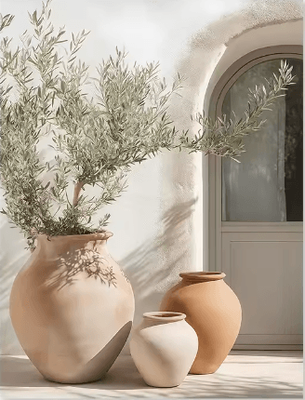
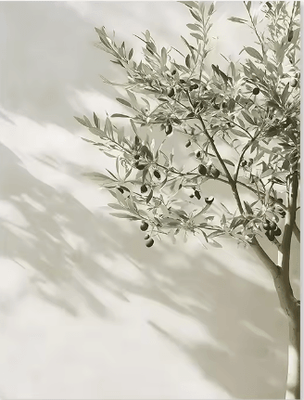
Inspire Picks Mediterranean Olive Tree Wall Art Countryside Landscape Poster For Farmhouse Decor lc028 1 50x70cm UnframedBring the warmth of sunlit landscapes into your home with this elegant Mediterranean wall art piece. Featuring a serene olive tree poster design, it captures the peaceful charm of countryside living. Perfect for homeowners who love natural, calming...57,33 $*Shipping: 0,00 $Secure redirect to the provider
-
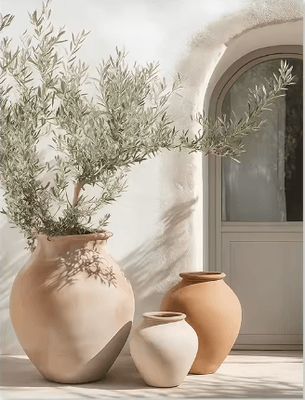
Inspire Picks Mediterranean Olive Tree Wall Art Countryside Landscape Poster For Farmhouse Decor lc028 2 40x60cm UnframedBring the warmth of sunlit landscapes into your home with this elegant Mediterranean wall art piece. Featuring a serene olive tree poster design, it captures the peaceful charm of countryside living. Perfect for homeowners who love natural, calming...51,17 $*Shipping: 0,00 $Secure redirect to the provider
-
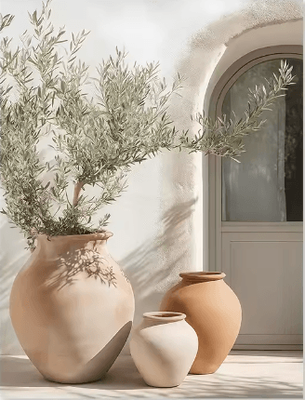
Inspire Picks Mediterranean Olive Tree Wall Art Countryside Landscape Poster For Farmhouse Decor lc028 1 40x60cm UnframedBring the warmth of sunlit landscapes into your home with this elegant Mediterranean wall art piece. Featuring a serene olive tree poster design, it captures the peaceful charm of countryside living. Perfect for homeowners who love natural, calming...51,17 $*Shipping: 0,00 $Secure redirect to the provider
-
Inspire Picks Mediterranean Olive Tree Wall Art Countryside Landscape Poster For Farmhouse Decor lc028 2 50x70cm UnframedBring the warmth of sunlit landscapes into your home with this elegant Mediterranean wall art piece. Featuring a serene olive tree poster design, it captures the peaceful charm of countryside living. Perfect for homeowners who love natural, calming...57,33 $*Shipping: 0,00 $Secure redirect to the provider

-
Perhaps, subjunctive or indicative?
The choice between subjunctive or indicative depends on the context of the sentence. The subjunctive mood is used to express hypothetical or uncertain situations, wishes, recommendations, or doubts. On the other hand, the indicative mood is used for statements of fact or certainty. Therefore, if the sentence is expressing a possibility, doubt, or desire, the subjunctive mood would be more appropriate. **
-
Conditional, subjunctive or indicative?
The choice between conditional, subjunctive, or indicative mood depends on the context of the sentence. The conditional mood is used to express a hypothetical situation or a condition that is dependent on something else happening. The subjunctive mood is used to express wishes, recommendations, or possibilities. The indicative mood is used to state facts or ask questions. **
-
What is the use of the present subjunctive and the past subjunctive?
The present subjunctive is used to express desires, doubts, wishes, or hypothetical situations in the present or future. It is often used after certain verbs and conjunctions that indicate uncertainty or subjectivity. The past subjunctive, on the other hand, is used to express desires, doubts, wishes, or hypothetical situations in the past. It is often used in the same way as the present subjunctive, but in reference to past events or situations. Both subjunctive forms are used to convey uncertainty or subjectivity in a sentence. **
-
Are the subjunctive I and the subjunctive II present in all tenses?
No, the subjunctive I and subjunctive II are not present in all tenses. The subjunctive I is only present in the present tense, while the subjunctive II is present in the past tense. The subjunctive I is used to express wishes, suggestions, or hypothetical situations in the present, while the subjunctive II is used to express wishes, suggestions, or hypothetical situations in the past. Each tense has its own specific form of the subjunctive mood. **

'It is strange that + subjunctive'
It is strange that she should be so calm in such a chaotic situation. **
When is the subjunctive used?
The subjunctive is used to express desires, doubts, wishes, possibilities, recommendations, or hypothetical situations. It is often used in dependent clauses following certain verbs or expressions that convey these meanings. The subjunctive mood is used to show uncertainty or subjectivity in a sentence, rather than stating a fact or certainty. It is important to pay attention to the context and the verb that triggers the use of the subjunctive in order to use it correctly. **
Top-Angebote
Products related to Subjunctive:
-
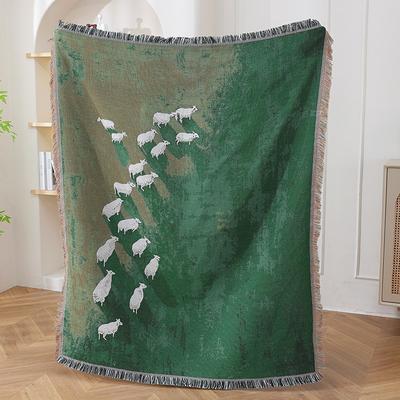
Shop Station Countryside Jacquard Woven Throw Blanket With Sheep Meadow Design & Fringed Farmhouse Decor Countryside Jacquard Woven Throw Blanket With Sheep Meadow Design & Fringed Farmhouse DecorExperience the warmth of the countryside without leaving home. This farmhouse throw blanket combines cozy comfort with charming pastoral artwork, making it perfect for anyone who loves cottageinspired dcor. Featuring a beautifully woven sheep meadow...89,97 $*Shipping: 0,00 $Secure redirect to the provider
-
Inspire Picks Mediterranean Olive Tree Wall Art Countryside Landscape Poster For Farmhouse Decor lc028 1 20x30cm UnframedBring the warmth of sunlit landscapes into your home with this elegant Mediterranean wall art piece. Featuring a serene olive tree poster design, it captures the peaceful charm of countryside living. Perfect for homeowners who love natural, calming...40,60 $*Shipping: 0,00 $Secure redirect to the provider
-
Inspire Picks Mediterranean Olive Tree Wall Art Countryside Landscape Poster For Farmhouse Decor lc028 1 50x70cm UnframedBring the warmth of sunlit landscapes into your home with this elegant Mediterranean wall art piece. Featuring a serene olive tree poster design, it captures the peaceful charm of countryside living. Perfect for homeowners who love natural, calming...57,33 $*Shipping: 0,00 $Secure redirect to the provider
-
Inspire Picks Mediterranean Olive Tree Wall Art Countryside Landscape Poster For Farmhouse Decor lc028 2 40x60cm UnframedBring the warmth of sunlit landscapes into your home with this elegant Mediterranean wall art piece. Featuring a serene olive tree poster design, it captures the peaceful charm of countryside living. Perfect for homeowners who love natural, calming...51,17 $*Shipping: 0,00 $Secure redirect to the provider
-
How are Latin subjunctive subordinate clauses still translated with the subjunctive?
Latin subjunctive subordinate clauses are still translated with the subjunctive in English to convey the same sense of uncertainty, possibility, or doubt. In English, the subjunctive mood is used to express hypothetical or unreal situations, wishes, recommendations, or demands. Therefore, when translating Latin subjunctive subordinate clauses, the English subjunctive is used to maintain the same mood and meaning of the original Latin sentence. **
-
Maybe subjunctive or indicative?
The choice between subjunctive or indicative depends on the context of the sentence. The subjunctive mood is used to express doubt, uncertainty, desire, or hypothetical situations, while the indicative mood is used for statements of fact or certainty. To determine whether to use subjunctive or indicative, consider the verb's relationship to reality and whether it is expressing a fact or a possibility. **
-
Perhaps, subjunctive or indicative?
The choice between subjunctive or indicative depends on the context of the sentence. The subjunctive mood is used to express hypothetical or uncertain situations, wishes, recommendations, or doubts. On the other hand, the indicative mood is used for statements of fact or certainty. Therefore, if the sentence is expressing a possibility, doubt, or desire, the subjunctive mood would be more appropriate. **
-
Conditional, subjunctive or indicative?
The choice between conditional, subjunctive, or indicative mood depends on the context of the sentence. The conditional mood is used to express a hypothetical situation or a condition that is dependent on something else happening. The subjunctive mood is used to express wishes, recommendations, or possibilities. The indicative mood is used to state facts or ask questions. **
Similar search terms for Subjunctive
-
Inspire Picks Mediterranean Olive Tree Wall Art Countryside Landscape Poster For Farmhouse Decor lc028 1 40x60cm UnframedBring the warmth of sunlit landscapes into your home with this elegant Mediterranean wall art piece. Featuring a serene olive tree poster design, it captures the peaceful charm of countryside living. Perfect for homeowners who love natural, calming...51,17 $*Shipping: 0,00 $Secure redirect to the provider
-
Inspire Picks Mediterranean Olive Tree Wall Art Countryside Landscape Poster For Farmhouse Decor lc028 2 50x70cm UnframedBring the warmth of sunlit landscapes into your home with this elegant Mediterranean wall art piece. Featuring a serene olive tree poster design, it captures the peaceful charm of countryside living. Perfect for homeowners who love natural, calming...57,33 $*Shipping: 0,00 $Secure redirect to the provider
-
Inspire Picks Mediterranean Olive Tree Wall Art Countryside Landscape Poster For Farmhouse Decor lc028 1 40x50cm UnframedBring the warmth of sunlit landscapes into your home with this elegant Mediterranean wall art piece. Featuring a serene olive tree poster design, it captures the peaceful charm of countryside living. Perfect for homeowners who love natural, calming...50,12 $*Shipping: 0,00 $Secure redirect to the provider
-
Inspire Picks Mediterranean Olive Tree Wall Art Countryside Landscape Poster For Farmhouse Decor lc028 2 20x30cm UnframedBring the warmth of sunlit landscapes into your home with this elegant Mediterranean wall art piece. Featuring a serene olive tree poster design, it captures the peaceful charm of countryside living. Perfect for homeowners who love natural, calming...40,60 $*Shipping: 0,00 $Secure redirect to the provider
-
What is the use of the present subjunctive and the past subjunctive?
The present subjunctive is used to express desires, doubts, wishes, or hypothetical situations in the present or future. It is often used after certain verbs and conjunctions that indicate uncertainty or subjectivity. The past subjunctive, on the other hand, is used to express desires, doubts, wishes, or hypothetical situations in the past. It is often used in the same way as the present subjunctive, but in reference to past events or situations. Both subjunctive forms are used to convey uncertainty or subjectivity in a sentence. **
-
Are the subjunctive I and the subjunctive II present in all tenses?
No, the subjunctive I and subjunctive II are not present in all tenses. The subjunctive I is only present in the present tense, while the subjunctive II is present in the past tense. The subjunctive I is used to express wishes, suggestions, or hypothetical situations in the present, while the subjunctive II is used to express wishes, suggestions, or hypothetical situations in the past. Each tense has its own specific form of the subjunctive mood. **
-
'It is strange that + subjunctive'
It is strange that she should be so calm in such a chaotic situation. **
-
When is the subjunctive used?
The subjunctive is used to express desires, doubts, wishes, possibilities, recommendations, or hypothetical situations. It is often used in dependent clauses following certain verbs or expressions that convey these meanings. The subjunctive mood is used to show uncertainty or subjectivity in a sentence, rather than stating a fact or certainty. It is important to pay attention to the context and the verb that triggers the use of the subjunctive in order to use it correctly. **
* All prices are inclusive of VAT and, if applicable, plus shipping costs. The offer information is based on the details provided by the respective shop and is updated through automated processes. Real-time updates do not occur, so deviations can occur in individual cases. ** Note: Parts of this content were created by AI.